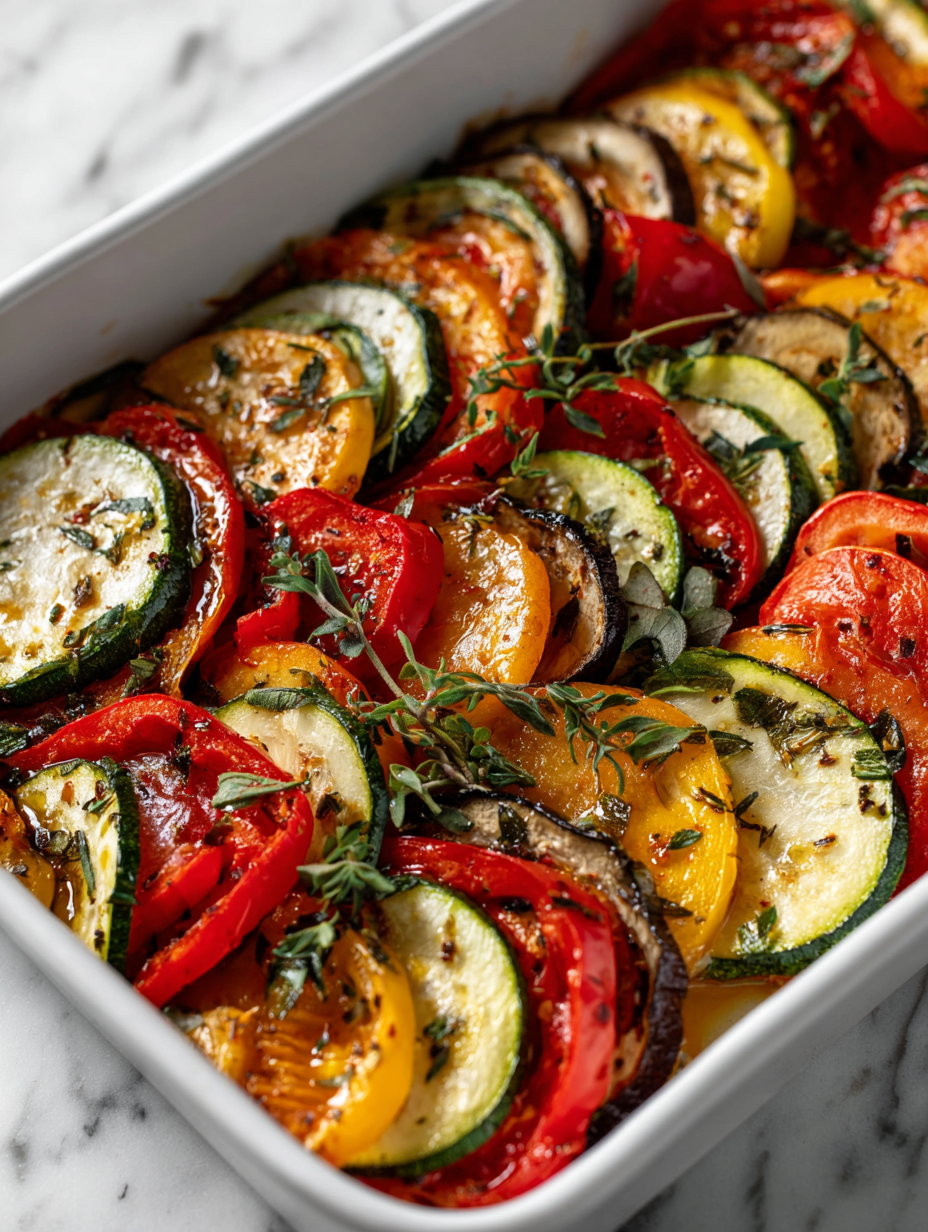
Ratatouille is one of those dishes that feels like a hug from Provence, but honestly, it can be a hassle to make on the stove. Chopping all those vegetables, simmering, stirring—it’s a process that can stretch into the afternoon. But what if you could get that same rustic flavor with way less fuss? That’s where this sheet pan version comes in, turning a slow-cooked classic into a one-pan wonder that’s perfect for busy nights or lazy weekends. All the flavors meld together while you do other things, and you get a caramelized, smoky edge that you just can’t achieve on the stovetop.
I love how this method keeps the ingredients beautifully intact—each vegetable roasting to its own perfect tenderness while soaking up herbs and olive oil. Plus, the cleanup is a breeze. No more pots and pans cluttering up the sink, just a single sheet tray that catches all the juices and caramelized bits. It’s a reminder that sometimes, simplifying a recipe doesn’t mean sacrificing depth or charm. Instead, it makes the whole process feel more approachable, more doable, and still incredibly satisfying.
Focusing on how using a sheet pan simplifies the process of making ratatouille, turning a traditionally time-consuming dish into a quick, one-pan marvel that retains rustic charm and depth of flavor.
Simplifying classic comfort
- I love how this sheet pan method makes ratatouille feel approachable, almost like a weekend project turned easy dinner.
- There’s a quiet joy in waking up to roasted, caramelized vegetables that smell like a lazy Sunday afternoon in Provence.
- Sometimes, I get oddly proud of how simple ingredients—eggplant, zucchini, peppers—can come together in such a rich, smoky way.
- This dish reminds me that with just one pan and a little patience, I can create something deeply satisfying without the chaos of multiple pots.
- There’s relief in knowing I can make a rustic, flavorful meal even on my busiest nights—no fuss, no stress.
The inspiration behind this dish
- This recipe actually started as a desperate attempt to get dinner on the table fast, but I kept coming back to how the vegetables seemed to develop this deep, roasted sweetness—like they had been simmered all afternoon. One evening, I threw everything onto a sheet pan just to see if I could skip the usual fuss of stirring and tending. The result was a revelation: smoky, tender, and packed with flavor, all in one pan, with hardly any cleanup.
- It’s funny how a little improvisation in the kitchen can turn a traditional method into something new. I love how roasting the vegetables intensifies their natural sweetness and gives the dish a rustic, caramelized edge I hadn’t expected. Plus, it’s become my go-to for busy weeknights when I want something hearty and honest without the mess of multiple pots.
- heading
- story_type
Historical and Fun Facts
- Ratatouille originated in Nice, France, as a humble vegetable stew for farmers’ families.
- The dish’s name means ‘little rat’ in French, though it has no relation to rodents—just a playful nickname.
- Traditional ratatouille involves slow simmering, but modern versions, like this sheet pan method, adapt it for busy cooks.
- The dish gained international fame through the Pixar film, turning it into a symbol of rustic French comfort.
- Using a sheet pan to make ratatouille is a recent innovation, blending classic flavors with contemporary convenience.
Ingredient breakdown: key components
- Eggplant: I love how the eggplant becomes tender and slightly caramelized, adding a smoky depth—try salting it first to draw out bitterness and moisture, which enhances its richness.
- Zucchini: It roasts quickly and develops a soft, almost silky texture; if you prefer more bite, keep larger pieces and avoid overcooking.
- Bell Peppers: Their sweet, smoky aroma fills the oven; for a deeper flavor, toss them with a splash of smoked paprika before roasting.
- Tomatoes: Juicy and bright, they soften into a luscious base; cherry tomatoes work well for bursts of sweetness, but fresh, ripe heirlooms will give you a richer, more complex sauce.
- Herbs & Olive Oil: Fresh thyme and basil add vibrant flavor, but if you only have dried herbs, use half as much to prevent overpowering; good-quality olive oil really makes the vegetables shine with a fruity, peppery kick.
- Garlic: It roasts to a mellow, nutty aroma; be careful not to burn it—add minced garlic in the last 10 minutes if roasting at high heat to avoid bitterness.
- Seasoning: Salt and pepper are your basic friends, but a pinch of red pepper flakes can add a subtle heat that balances the sweetness of roasted vegetables.
Spotlight on key ingredients
Eggplant:
- I love how the eggplant becomes tender and slightly caramelized, adding a smoky depth—try salting it first to draw out bitterness and moisture, which enhances its richness.
- Zucchini: It roasts quickly and develops a soft, almost silky texture; if you prefer more bite, keep larger pieces and avoid overcooking.
Bell Peppers & Tomatoes:
- Bell Peppers: Their sweet, smoky aroma fills the oven; for a deeper flavor, toss them with a splash of smoked paprika before roasting.
- Tomatoes: Juicy and bright, they soften into a luscious base; cherry tomatoes work well for bursts of sweetness, but fresh, ripe heirlooms will give you a richer, more complex sauce.
Notes for ingredient swaps
- Dairy-Free: Omit cheese or use a plant-based cheese alternative for a similar creamy, salty note.
- Gluten-Free: Ensure your breadcrumbs or bread crumbs used in toppings are certified gluten-free, or skip entirely.
- Vegetarian/Vegan: Use olive oil instead of butter for roasting; skip any cheese toppings or replace with nutritional yeast.
- Low-Sodium: Opt for no-salt-added canned tomatoes and use herbs and spices to boost flavor instead of salt.
- Spicy Kick: Add a pinch of red pepper flakes or diced chili for heat—adjust to taste before roasting.
- Herb Variations: Swap thyme or basil with oregano or rosemary, depending on your flavor preference—each adds a different aromatic profile.
- Sweetness Boost: Toss vegetables with a splash of balsamic vinegar before roasting for a caramelized, sweet-tangy finish.
Equipment & Tools
- Large rimmed sheet pan: To hold all vegetables in a single layer for even roasting.
- Sharp chef’s knife: For slicing vegetables evenly and safely.
- Mixing bowls: To toss vegetables with oil and seasonings.
- Measuring spoons: For accurate seasoning and spice addition.
- Silicone spatula or tongs: To toss and turn vegetables without breaking them.
Step-by-step guide to sheet pan ratatouille
- Preheat your oven to 220°C (430°F). Grab a large sheet pan—preferably rimmed to catch juices. Rinse and dry all vegetables. Slice zucchini and eggplant into 1-inch thick rounds or half-moons. Cut bell peppers into strips, roughly the same size as other veg for even roasting. Mince garlic finely; set aside.
- Toss eggplant and zucchini with a generous drizzle of olive oil, salt, and a pinch of dried thyme. Spread them on the sheet pan in a single layer. Roast for 15 minutes, until they start to soften and turn golden around the edges.
- Meanwhile, toss bell peppers with a splash of olive oil, smoked paprika, and a pinch of salt. After the initial 15 minutes, add peppers to the pan, spreading them around. Continue roasting for another 15-20 minutes. Vegetables should be tender and caramelized, with some charred bits for smoky flavor.
- In the last 10 minutes, sprinkle minced garlic evenly over the vegetables. Roast until fragrant and slightly roasted—smell the garlic turning nutty and aromatic. If the garlic starts to burn, cover with foil or remove from heat briefly.
- Remove the pan from oven. Stir in ripe, chopped tomatoes or halved cherry tomatoes for extra juiciness. Let sit for 5 minutes; the heat will soften the tomatoes further and create a rustic sauce.
- Taste and adjust seasoning with more salt or herbs if needed. Drizzle with fresh basil or thyme, then serve hot or at room temperature. For a more rustic look, serve directly from the pan onto plates or a platter.
Let the vegetables rest for 5 minutes before serving to allow flavors to meld. Garnish with fresh herbs if desired. Serve directly from the pan or transfer to a platter, making sure to include the caramelized bits for added flavor.
How to Know It’s Done
- Vegetables are tender, caramelized, with some charred edges.
- Garlic is fragrant but not burnt—light golden and aromatic.
- Tomatoes are soft, releasing juices, with a vibrant, rustic sauce.
Sheet Pan Ratatouille
Ingredients
Equipment
Method
- Preheat your oven to 220°C (430°F). Gather a large rimmed sheet pan, rinse and dry all vegetables, then slice the eggplant and zucchini into 1-inch rounds, and cut the bell peppers into strips. Halve the cherry or heirloom tomatoes and set aside.
- In a mixing bowl, toss the eggplant and zucchini with 1.5 tablespoons of olive oil, dried thyme, a pinch of salt, and pepper until evenly coated. Spread them out in a single layer on the sheet pan.
- Place the sheet pan in the oven and roast for 15 minutes, until the vegetables start to turn golden and become tender around the edges.
- Meanwhile, toss the bell pepper strips with the remaining 1.5 tablespoons of olive oil, a pinch of salt, pepper, and an extra dash of thyme if desired. After the initial 15 minutes, add the peppers to the sheet pan, spreading them around the other vegetables.
- Continue roasting for another 15-20 minutes, until all vegetables are tender, caramelized, and slightly charred around the edges. Check periodically to avoid burning the garlic.
- In the last 10 minutes of roasting, sprinkle the minced garlic evenly over the vegetables. Roast until fragrant and slightly roasted, about 10 minutes. If the garlic starts to burn, remove from the oven sooner.
- Remove the sheet pan from the oven and gently stir in the halved cherry tomatoes. Let everything sit for 5 minutes to allow the tomatoes to soften and release their juices, creating a rustic sauce.
- Taste the dish and adjust seasoning with additional salt and pepper if needed. Garnish with fresh basil or thyme leaves for a burst of herbal aroma.
- Serve the roasted ratatouille hot or at room temperature directly from the pan, enjoying the tender, caramelized vegetables and smoky edges.
Tips & tricks for perfect sheet pan ratatouille
- High heat: Preheat your oven thoroughly—aim for 220°C (430°F)—to get those vegetables caramelized and smoky.
- Even slices: Cut all vegetables into similar thicknesses—about 1 inch—for uniform roasting and consistent tenderness.
- Spread out: Arrange vegetables in a single layer on the sheet pan—crowding causes steaming, not roasting.
- Add garlic late: Sprinkle minced garlic in the last 10 minutes—burnt garlic turns bitter and ruins the aroma.
- Use a rimmed pan: A rimmed sheet pan keeps juices contained and prevents spills—perfect for roasting juicy veggies.
- Check for doneness: Vegetables should be tender with some charred bits—use a fork or skewer to test softness.
- Rest briefly: Let the roasted vegetables sit for 5 minutes after coming out—this helps flavors settle and meld.
Common mistakes and how to fix them
- FORGOT to preheat the oven → Always preheat for even roasting.
- DUMPED vegetables on pan → Spread vegetables in a single, even layer.
- OVER-TORCHED edges → Reduce oven temp or check earlier to prevent burning.
- MISSED salting eggplant → Salt and drain to reduce bitterness and moisture.
Quick Fixes & Pantry Swaps
- When vegetables look dry, splash with a little more olive oil to keep them juicy.
- If edges burn quickly, shield with foil and lower oven temperature slightly.
- Splash lemon juice over finished dish for a bright, fresh contrast.
- Patch over uneven roasting by tossing underdone pieces with a quick blast of high heat.
- Shield smoky, over-torched bits with a sprinkle of fresh herbs for a fresh burst of flavor.
Prep, store, and reheat tips
- Chop all vegetables the night before; store in airtight containers in the fridge for up to 24 hours. Their fresh crunch will soften slightly after roasting, but flavors deepen.
- You can assemble the seasoned vegetables on the sheet pan a few hours ahead. Keep refrigerated until ready to roast—just bring to room temp for 15 minutes first to ensure even cooking.
- Roasted ratatouille keeps well in an airtight container in the fridge for 2-3 days. The flavors meld more overnight, developing a richer, more unified taste.
- Reheat gently in a 180°C (350°F) oven for about 10-15 minutes, until warmed through and fragrant. The vegetables will soften further, so look for a gentle shimmer of oil on the surface.
- For leftovers, avoid microwaving for too long as it can make the vegetables mushy. Instead, reheat slowly in the oven to preserve texture and aroma.
Top questions about sheet pan ratatouille
1. Can I use parchment paper or foil?
Yes, using parchment paper can help with cleanup, but a well-oiled pan works best to prevent sticking and promote caramelization.
2. Can I swap vegetables or add extras?
Yes, you can customize the vegetables based on what’s in season or what you prefer. Eggplant, zucchini, peppers, and tomatoes are classics, but try fennel or mushrooms for variation.
3. How do I know when it’s done?
Roast until vegetables are tender and slightly charred around the edges, about 30-40 minutes total, depending on thickness. They should be caramelized and fragrant.
4. How can I tell if it’s cooked enough?
Use a sharp knife or fork to check if vegetables are tender. They should yield easily and have a slightly crispy edge. Smell for a smoky, roasted aroma.
5. What temperature should I use?
Roast at 220°C (430°F) for even caramelization. Adjust time if vegetables are thick or if you want more char. Keep an eye to prevent burning.
6. Can I use dried herbs instead of fresh?
Fresh herbs like basil and thyme add brightness, but dried herbs work if you add them early for more infused flavor. Use sparingly.
7. How long can I keep leftovers?
Store leftovers in an airtight container in the fridge for up to 3 days. Reheat in the oven or skillet for best texture—expect softer, more melded flavors.
8. Can I make it ahead?
Yes, roasting enhances sweetness and adds smoky notes. You can also finish with a splash of balsamic vinegar or lemon juice for extra brightness.
9. What if my vegetables steam instead of roast?
Overcrowding causes steaming instead of roasting. Spread vegetables in a single layer and give them space for caramelization.
10. How do I fix over-charring or dryness?
Splash a little lemon juice or vinegar after roasting to brighten flavors. If edges are too charred, cover with foil or reduce oven temp slightly.
This dish is a reminder that simplicity often yields the most honest, flavorful results. Roasting the vegetables brings out their natural sweetness and smoky undertones, making it a go-to for busy nights or lazy weekends alike.
In a world where meals can feel overly complicated, a sheet pan ratatouille keeps things straightforward without sacrificing depth. It’s a little ritual of slow roasting, a smoky aroma filling the kitchen, and a rustic dish that feels both comforting and fresh.