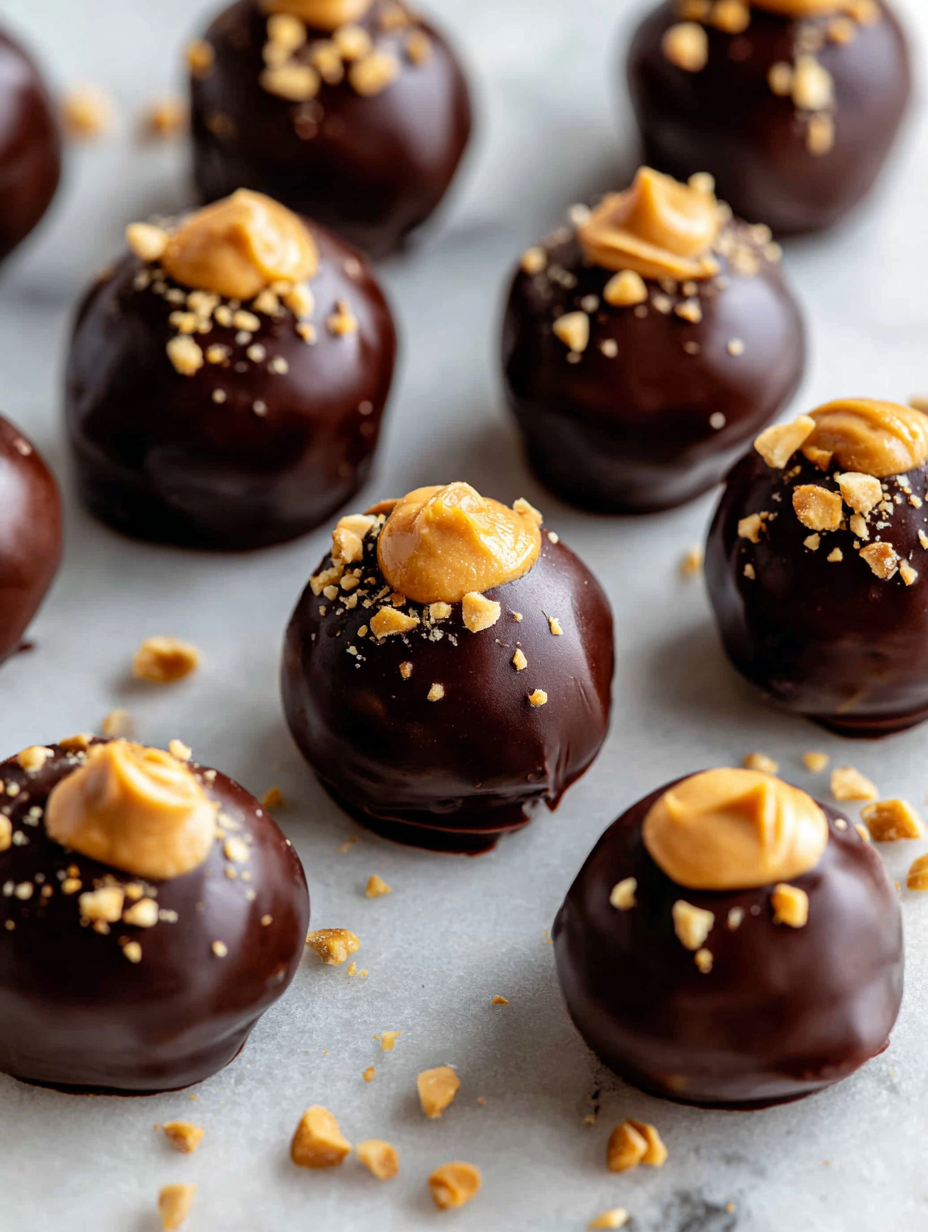
Roasting peppers until their skins blister and turn a deep, smoky red might sound simple, but it unlocks a whole world of flavor that’s often overlooked in vegan dishes. The natural sweetness of the peppers balances out the savory, herb-studded filling, making each bite feel both hearty and surprisingly delicate. It’s a dish that celebrates the humble pepper in a way that feels indulgent without any dairy or meat involved.
What I love most about these stuffed peppers is how customizable they are—whatever grains, beans, or veggies you have on hand can slide right in. Plus, the roasting process caramelizes the peppers’ natural sugars, giving the final dish a depth that’s hard to beat. It’s one of those recipes that feels like a little celebration of simple ingredients turned special, perfect for a cozy family dinner or a casual get-together.
Focusing on how the natural sweetness of roasted peppers balances the savory, smoky filling for a dish that feels both hearty and surprisingly delicate.
This recipe matters to me because it’s a little reminder that comfort food can be vibrant, healthy, and totally plant-powered. I love how roasting brings out the peppers’ natural sweetness and deepens their smoky flavor—something I’d never get from just boiling or raw peppers. It’s a dish that’s honest and straightforward, yet endlessly adaptable, and that’s why I keep coming back to it.
- This dish reminds me of summer evenings spent in my grandmother’s kitchen, where the aroma of roasted peppers filled the air and made everything feel right.
- I find a deep satisfaction in how simple ingredients like peppers and grains come together to create something so nourishing and flavorful.
- There’s a quiet pride I feel when I serve these to friends who aren’t expecting a vegan meal to be this satisfying.
- The slight char on the peppers and the smoky aroma always sparks a nostalgic rush, taking me back to childhood cookouts.
- Whenever I make these, I’m reminded that rustic, honest cooking can be both comforting and exciting, even on busy weeknights.
A Personal Touch: Why I Keep Coming Back
- This recipe was born out of a lazy Sunday afternoon, when I had a handful of colorful peppers and a craving for something filling but fresh. I started stuffing them with whatever grains and herbs I had in the fridge, aiming for something satisfying but simple. As they roasted, I realized how the peppers’ natural sweetness and smoky edges brought everything together in a way that felt both effortless and special.
- Over time, I’ve tweaked the filling, adding in bits of leftover roasted veggies and a squeeze of lemon—each batch feels personal, like a little culinary journal. There’s a certain joy in turning humble ingredients into a dish that’s vibrant, nourishing, and easy to make without fuss. It’s become one of those recipes I turn to when I want something hearty but wholesome, no matter the season.
- heading
- story_type
Contextual origin, trivia, or history
- Vegan stuffed peppers have roots in Mediterranean cuisine, where stuffed vegetables are a traditional way to utilize seasonal produce.
- Historically, stuffed peppers were filled with rice, herbs, and sometimes minced meat, but vegan versions emerged to suit plant-based diets without losing flavor.
- The idea of stuffing peppers dates back centuries, with variations found across Eastern Europe, the Middle East, and North Africa, reflecting diverse spice blends and grains.
Ingredient Breakdown for Vegan Stuffed Peppers
- Red bell peppers: Roasted until blistered, their smoky sweetness is the backbone of this dish, so don’t skip the charring step.
- Quinoa or rice: Cooked fluffy and light, they soak up flavors; swap for millet or couscous if you prefer a different texture.
- Black beans or chickpeas: I mash or leave whole for texture; use lentils if you want a softer bite, but keep an eye on cooking times to avoid mush.
- Fresh herbs (cilantro, parsley): Brighten everything with a generous handful; dried herbs work in a pinch but lose that vivid punch.
- Tomato paste or sauce: Adds depth and moisture; if you don’t have it, a splash of pureed roasted red peppers can mimic that smoky richness.
- Spices (paprika, cumin, chili powder): I love the smoky paprika for depth, but smoked paprika can be a game-changer if you want extra smoky notes.
- Lemon or lime juice: Brightens up the filling with a citrus zing; if you don’t have fresh, a splash of vinegar can do a similar job.
Spotlight on 1–2 key ingredients
Red bell peppers:
- Roasted until blistered, their smoky sweetness is the backbone of this dish, so don’t skip the charring step.
- They turn a deep, smoky red with slight charred edges, releasing a fragrant aroma that signals perfect roasting.
Quinoa:
- Fluffy and tender, it absorbs flavors beautifully; toast it lightly before cooking for added nuttiness.
- Cooked quinoa is slightly chewy, with a subtle nutty aroma that complements the smoky peppers perfectly.
Notes for ingredient swaps
- Dairy-Free: Nutritional yeast can replace cheese or dairy-based toppings, adding a cheesy, umami punch without the dairy. It’s nutty and flaky, so sprinkle generously.
- Grain Variations: Swap quinoa for millet or bulgur for a different texture and flavor profile. Keep an eye on cooking times to prevent mushiness.
- Beans & Legumes: Use lentils or kidney beans instead of black beans or chickpeas. Lentils cook quickly and offer a softer bite, perfect if you prefer a less chunky filling.
- Herb Swaps: Fresh basil or dill can stand in for cilantro or parsley. Dried herbs work in a pinch but lose that bright, vibrant aroma—use sparingly.
- Spice Level: Smoked paprika can be replaced with regular paprika plus a dash of chipotle powder for smoky depth if you want more heat.
- Acid Component: Lemon juice can be swapped with a splash of apple cider vinegar or a dash of balsamic vinegar for different brightness and sweetness balance.
- Bell Peppers: If peppers aren’t available, zucchinis or eggplants halved and roasted can serve as a tasty alternative, though their cooking times and textures differ slightly.
Equipment & Tools
- Baking sheet: To hold the peppers during roasting, ensuring even heat exposure.
- Small bowl: For mixing the filling ingredients thoroughly.
- Knife: To slice off the tops and seed the peppers safely.
- Spoon or small scoop: To stuff the peppers evenly and efficiently.
- Aluminum foil or parchment paper: To prevent sticking and make cleanup easier.
Step-by-Step Guide to Perfect Vegan Stuffed Peppers
- Preheat your oven to 200°C (390°F). While it heats, wash the peppers and slice off the tops, keeping the stems if possible. Remove seeds carefully—try not to tear the flesh. Set aside.
- In a small bowl, combine cooked quinoa or rice, rinsed black beans, chopped herbs, tomato paste, and spices. Mix well, tasting and adjusting seasoning if needed. The filling should be flavorful and moist but not runny.
- Place peppers on a baking sheet lined with parchment paper. Stuff each pepper generously with the filling, pressing down lightly so they hold together. Top with a drizzle of olive oil and a sprinkle of salt.
- Roast in the oven for about 30–35 minutes. During the last 10 minutes, check for color and softness. The peppers should blister slightly and be tender when pierced with a fork. If edges char too much, cover loosely with foil.
- Remove from oven and let rest for 5 minutes. Squeeze fresh lemon or lime over the peppers for brightness. Serve warm, garnished with extra herbs if desired. For a more rustic presentation, plate directly from the baking sheet.
Let the peppers rest for 5 minutes after roasting. Drizzle with lemon or lime juice, then serve directly on the plate or platter, garnished with extra herbs for a fresh finish.
How to Know It’s Done
- Peppers blister and turn a deep, smoky red, indicating proper roasting.
- Filling is hot and slightly bubbly at the edges, with grains fully cooked.
- Peppers are tender when pierced with a fork, with no raw or crunchy spots.
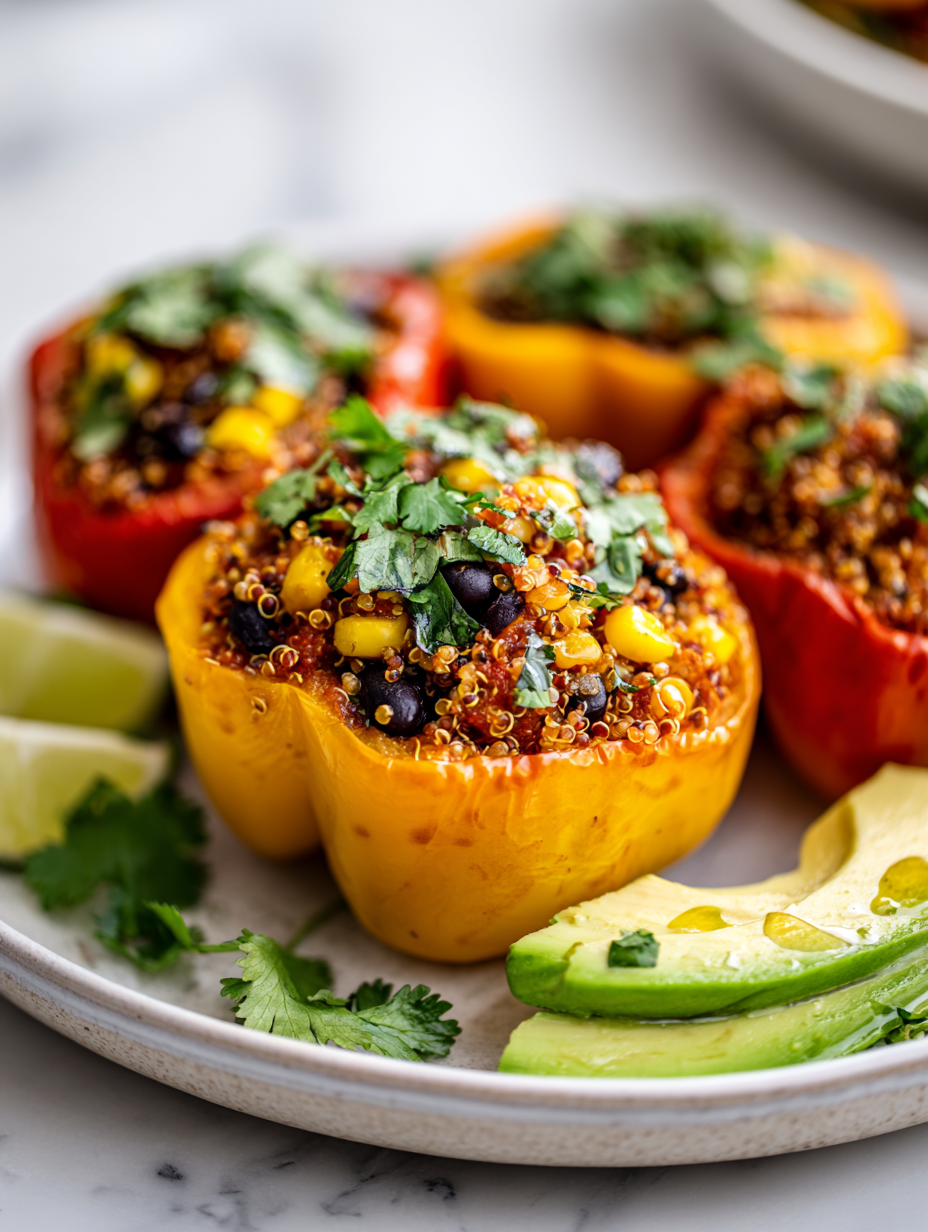
Vegan Stuffed Roasted Peppers
Ingredients
Equipment
Method
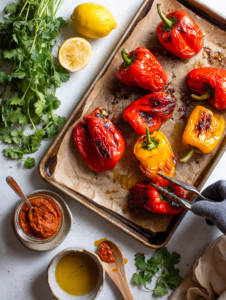
- Preheat your oven to 200°C (390°F). Place the peppers on a lined baking sheet and roast for about 25-30 minutes, turning occasionally, until their skins are blistered, charred in spots, and the peppers are tender to the touch. The aroma of smoky, roasted peppers will fill the air.
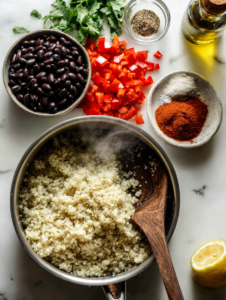
- While the peppers roast, rinse the quinoa under cold water and cook it according to package instructions—usually simmering in two cups of water for about 15 minutes until fluffy and slightly nutty. Fluff with a fork and set aside to cool slightly.
- Once the peppers are roasted and cool enough to handle, carefully peel off the charred skins and remove the stems and seeds, being gentle to keep the peppers intact. You want tender, smoky peppers ready for stuffing.

- In a small bowl, combine the cooked quinoa, rinsed black beans, chopped cilantro, tomato paste, smoked paprika, cumin, and a pinch of salt and pepper. Drizzle with olive oil and squeeze in fresh lemon juice. Mix everything thoroughly—this filling should be moist, flavorful, and well-seasoned.
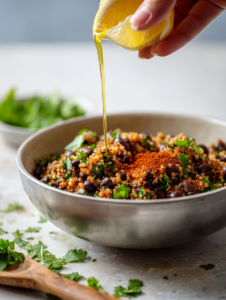
- Use a spoon or small scoop to generously stuff each roasted pepper with the prepared filling, pressing down gently to pack it in and ensure it stays in place. Place the stuffed peppers back on the baking sheet.

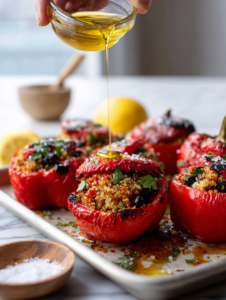
- Drizzle a little olive oil over the stuffed peppers and sprinkle with additional salt if desired. Return the baking sheet to the oven and roast for an additional 10-15 minutes, until the peppers are slightly blistered and the filling is heated through.
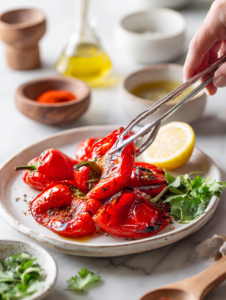
- Remove the peppers from the oven and let them rest for a few minutes. Squeeze fresh lemon or lime over the peppers to brighten the flavors and serve warm, garnished with extra cilantro if you like.
Notes
Pro Tips for Perfect Vegan Stuffed Peppers
- Bold the skin: Pre-roast peppers slightly before stuffing to enhance blistering and smoky flavor, making the skin easier to peel.**
- Use a gentle hand: Carefully stuff peppers without forcing to avoid tearing the flesh, resulting in a neater presentation.**
- Layer flavors: Mix herbs and spices into the filling while still warm to activate their aromas and deepen flavor.**
- Broil for finish: A quick 2-minute broil at the end can add a charred edge and intensify smoky notes—watch carefully!**
- Drizzle with oil: Before roasting, lightly brush peppers with olive oil to promote even browning and add richness.**
- Chill for depth: Let the stuffed peppers rest in the fridge for 20 minutes after baking to allow flavors to meld and intensify.**
- Use a sharp knife: Slice peppers cleanly and smoothly; dull blades may tear the flesh, making stuffing messier and less appealing.
Common mistakes and how to fix them
- FORGOT to check peppers’ softness; if firm, extend roasting time by 5 minutes.
- DUMPED filling into hot pan; let cool slightly before stuffing to prevent sogginess.
- OVER-TORCHED peppers; cover with foil during last minutes to prevent burning.
- MISSED seasoning adjustments; taste the filling before stuffing and tweak accordingly.
Quick Fixes for Common Stuffed Peppers Snags
- If peppers are too firm, splash them with a little water and microwave for 30 seconds to soften.
- When filling feels dry, open pantry swap: add a splash of tomato sauce for extra moisture and flavor.
- DUMPED filling in too hot? Let it cool 5 minutes before stuffing, to prevent sogginess and shrinking.
- Over-torched peppers? Shield with foil and lower oven temp to rescue that perfect blistered look.
- Splash a little lemon juice when the filling is bland to brighten flavors and add a fresh zing.
Make-Ahead and Storage Tips
- You can prepare the filling a day in advance; keep it covered in the fridge, where it stays vibrant and fresh for up to 24 hours.
- Roasted peppers can be made ahead and stored in an airtight container in the fridge for up to 3 days, their smoky aroma lingering and intensifying over time.
- Reheat stuffed peppers gently in the oven at 175°C (350°F) for about 10 minutes until warmed through, until the filling is tender and the peppers are slightly blistered again.
- The flavors deepen if the stuffed peppers sit overnight; just add a squeeze of lemon or lime after reheating to bring back brightness and balance.
Practical Q&As about Vegan Stuffed Peppers
1. How do I pick the best peppers for stuffing?
Look for peppers that are firm, with shiny skin and no wrinkles. They should feel heavy for their size, indicating juiciness inside.
2. How do I know when the peppers are roasted enough?
Roasting peppers until they blister and turn a deep red brings out a smoky sweetness, making them tender and flavorful.
3. What should go into the filling?
Use cooked grains like quinoa or rice, mashed beans, fresh herbs, and a splash of lemon to make the filling savory and vibrant.
4. How full should I stuff the peppers?
Stuff the peppers with a generous amount of filling, pressing down gently to pack it in without tearing the skin.
5. How do I know when they’re done?
Roast the stuffed peppers at 200°C (390°F) for about 30–35 minutes until they blister, soften, and the filling is hot and bubbly.
6. Can I make this dish ahead of time?
You can prepare the filling a day ahead, store it in the fridge, and assemble or reheat the peppers later for convenience.
7. What if my peppers start to burn or tear?
If peppers are too soft or tearing, cover with foil during roasting or reduce oven temperature slightly to prevent burning.
8. How do I enhance the flavor after cooking?
Add a squeeze of lemon or lime after roasting to brighten the flavors, especially if the filling is a bit bland.
9. How should I store and reheat leftovers?
Store leftovers in an airtight container in the fridge for up to 3 days. Reheat gently in the oven until warm and slightly blistered again.
10. What if the peppers are still too crunchy after roasting?
If peppers are too firm, microwave them for 30 seconds with a splash of water to soften before eating.
Wrapping up, these vegan stuffed peppers are a reminder that simple ingredients, when handled with a bit of attention, can create something truly satisfying. The smoky, caramelized peppers paired with a flavorful, herbaceous filling make every bite feel like a small celebration of freshness and depth.
They’re perfect for making ahead, adaptable to what’s in your fridge, and forgiving if you’re short on time. In a season that calls for hearty yet wholesome meals, this dish fits right in—bringing a bit of smoky sweetness to an everyday dinner.